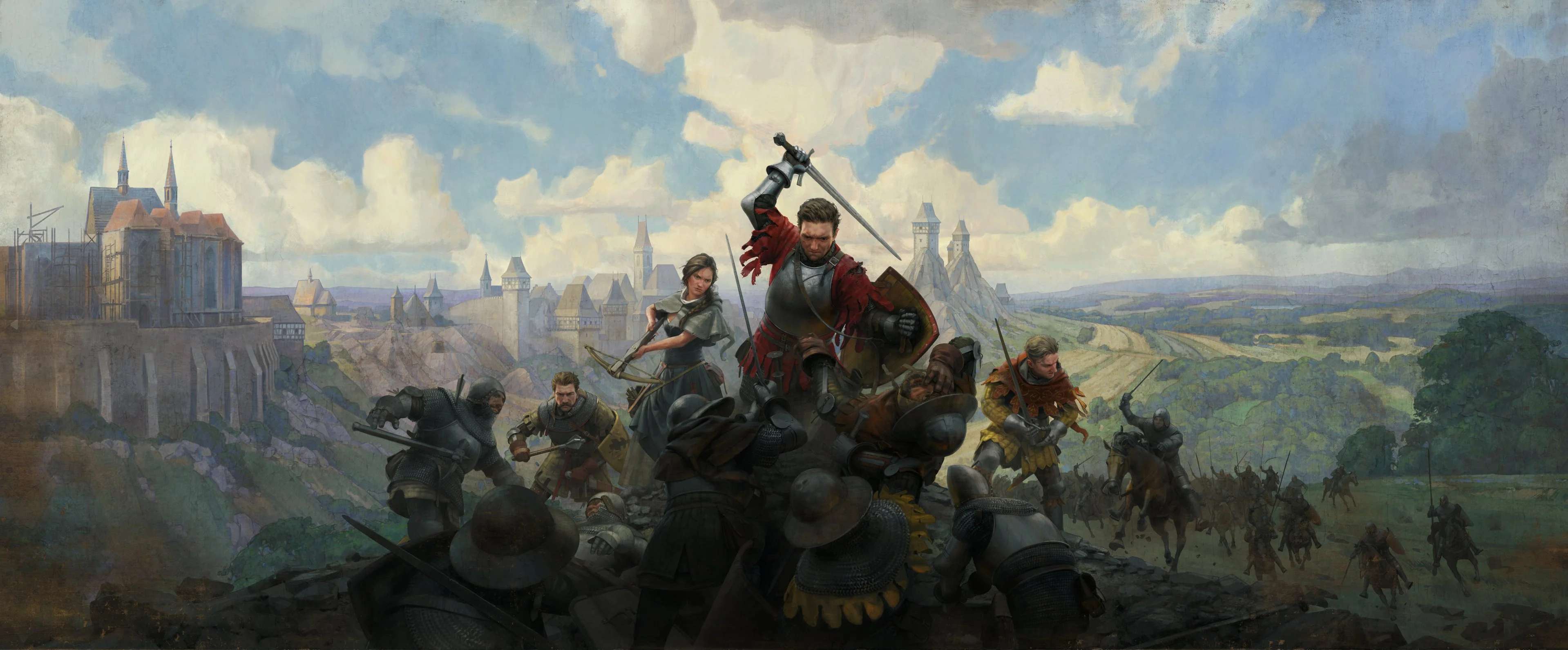

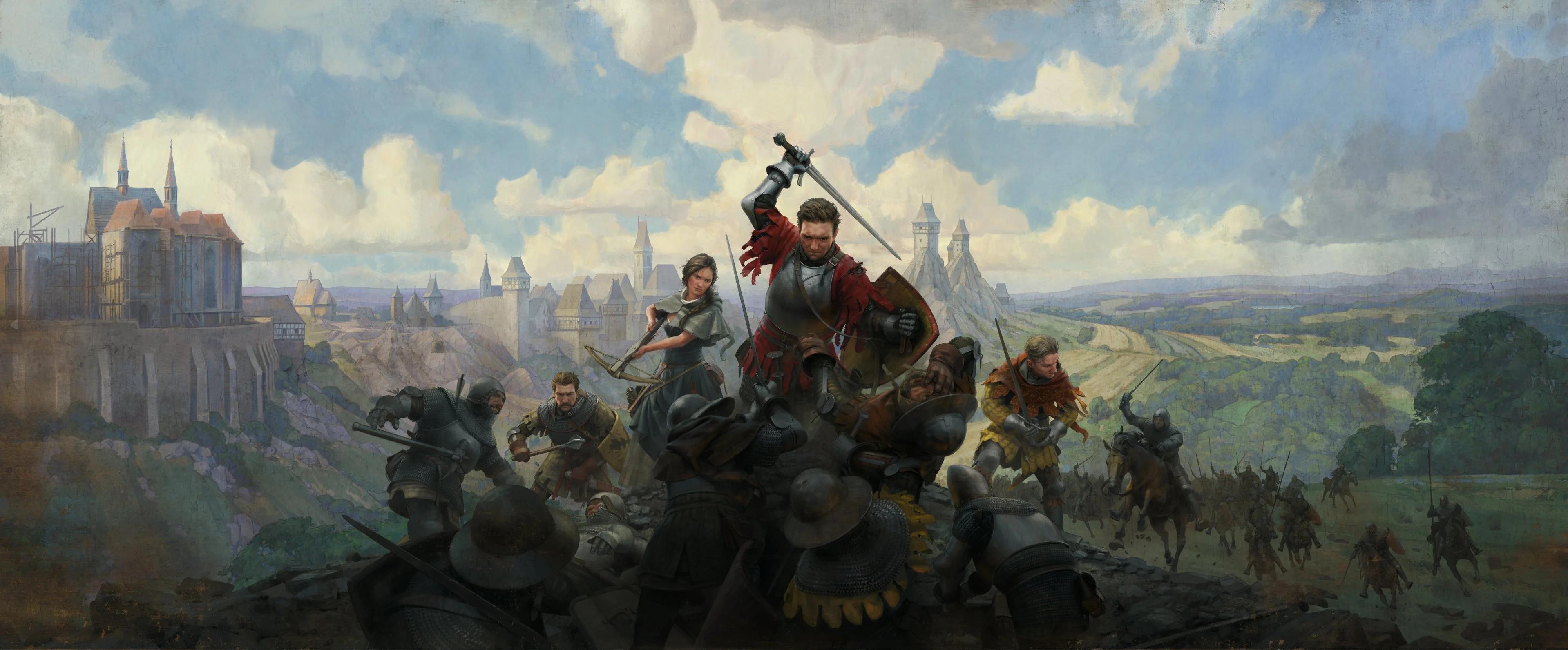
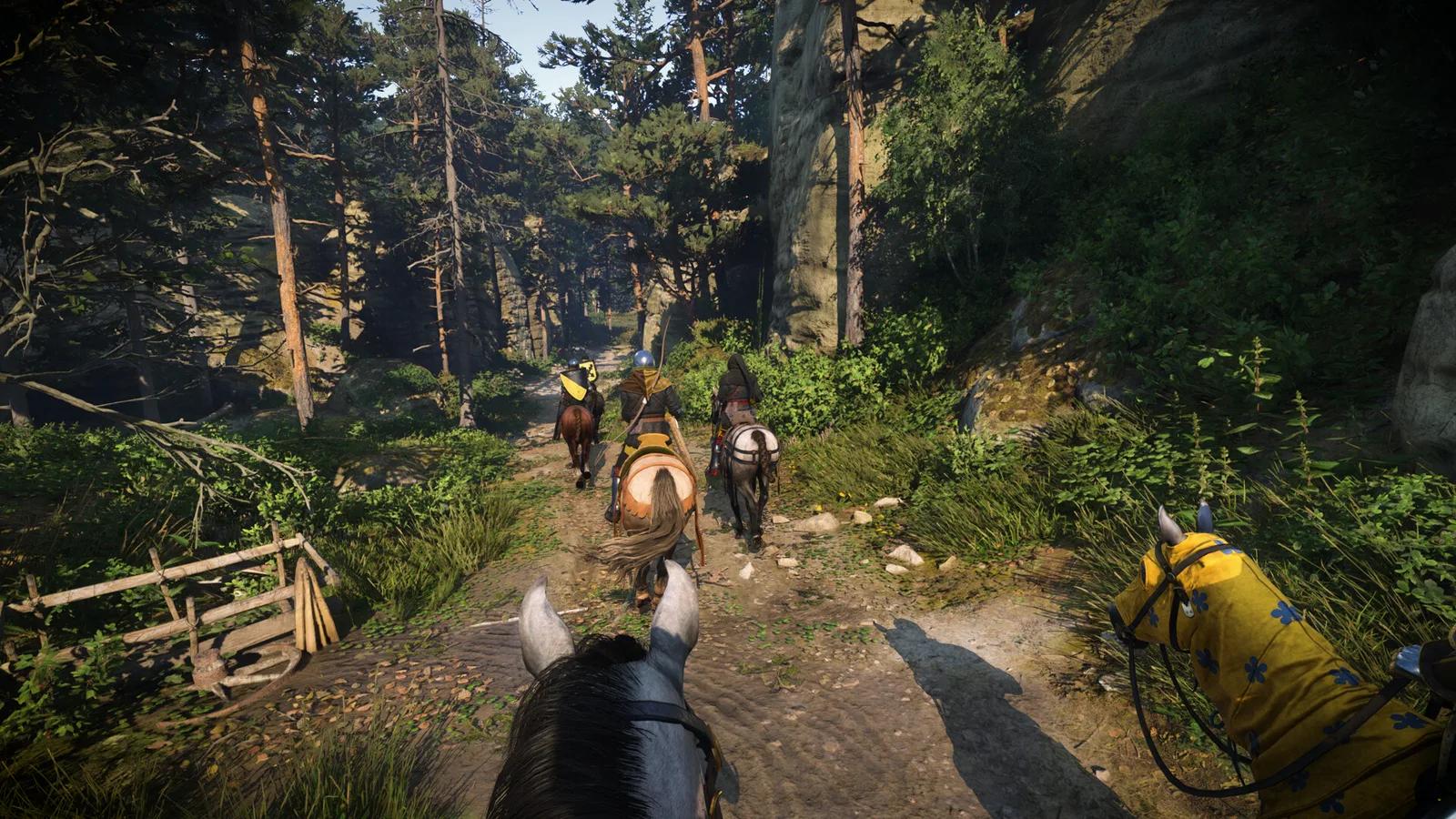
The short answer
The KCD2 story directly continues Henry of Skalitz's unfinished business and his loyalty to Sir Hans Capon during the Bohemian civil war. You can start here without finishing the first game: the sequel explains the immediate conflict, while an optional KCD1 recap makes the returning people matter more. This guide keeps both that recap and the complete plot behind clearly labelled reveals.
KCD2 Story: Do You Need to Play KCD1 First?
No. The KCD2 story supplies enough context to follow Henry, Hans, King Wenceslaus, and Sigismund. The practical tradeoff is emotional rather than mechanical: newcomers understand what Henry is doing, but returning players already know why Radzig's sword, Skalitz, Theresa, Father Godwin, and old betrayals carry weight.
Show the KCD1 ending and parentage recap
The shortest useful KCD1 recap is this: Henry is raised by Skalitz blacksmith Martin and Henry's biological mother, but Sir Radzig Kobyla is his biological father. Sigismund's forces destroy Skalitz, Markvart kills Martin and Henry's mother, and Istvan Toth steals the sword Henry was delivering for Radzig. Henry survives, learns to fight and serve, becomes Hans Capon's friend, and ends the first game riding with Hans to deliver a message to Otto von Bergow. The KCD2 story begins on that mission.
Play KCD1 first if discovering Henry's parentage, building the Hans friendship, and seeing Skalitz fall are experiences you want rather than recap facts. Start now if a long prerequisite would stop you playing. The sequel repeatedly restates the political stakes.
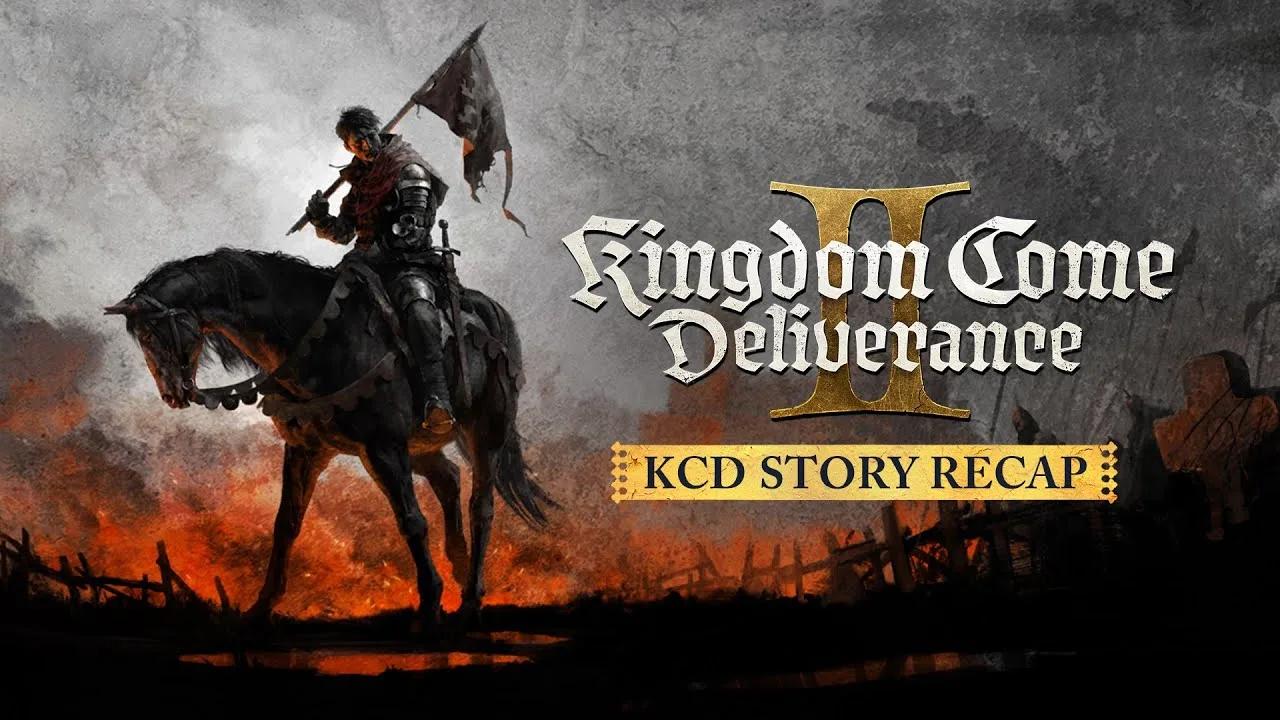
Source: Warhorse Studios KCD1 Story Recap
KCD2 Story Without Spoilers
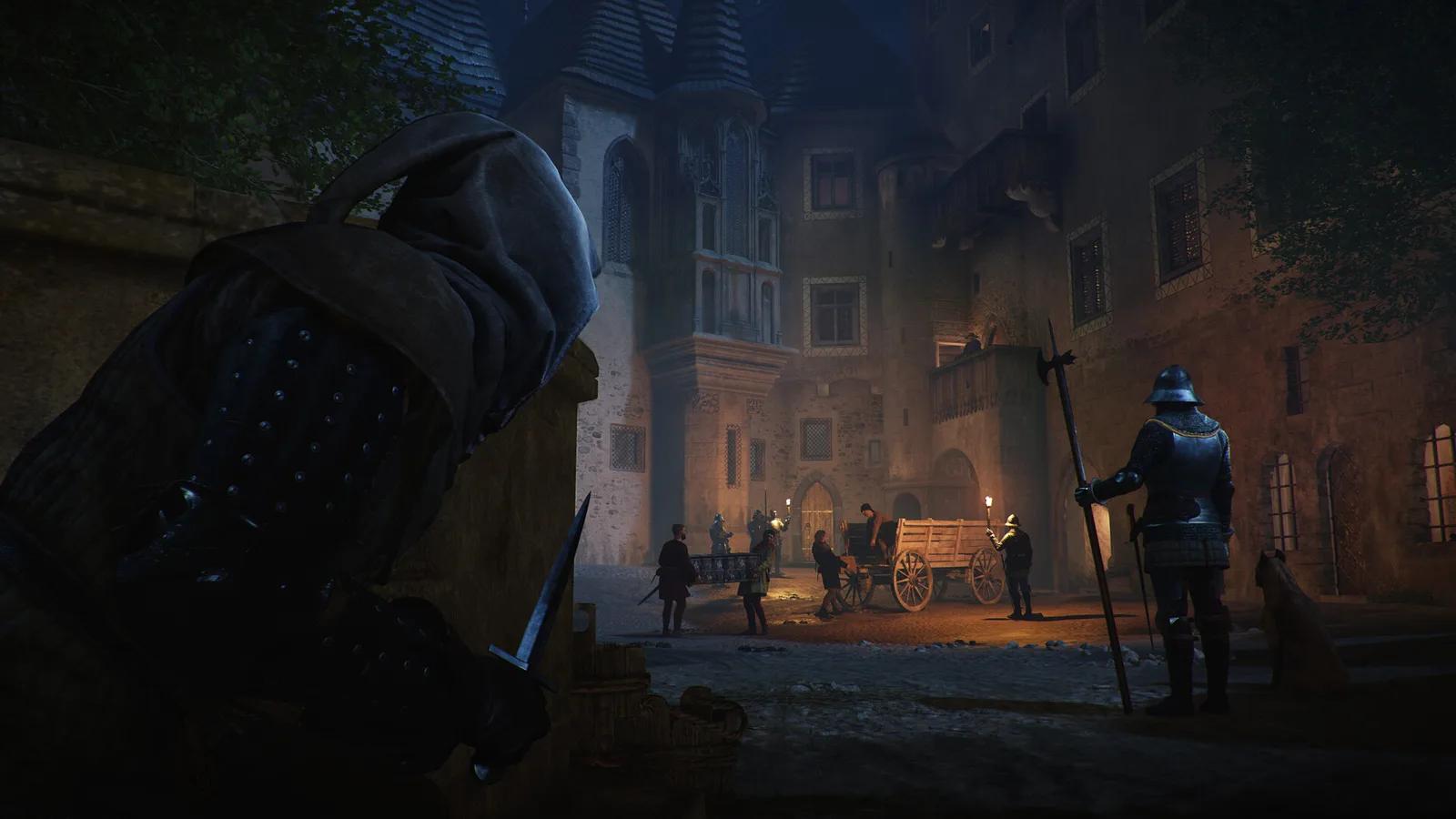
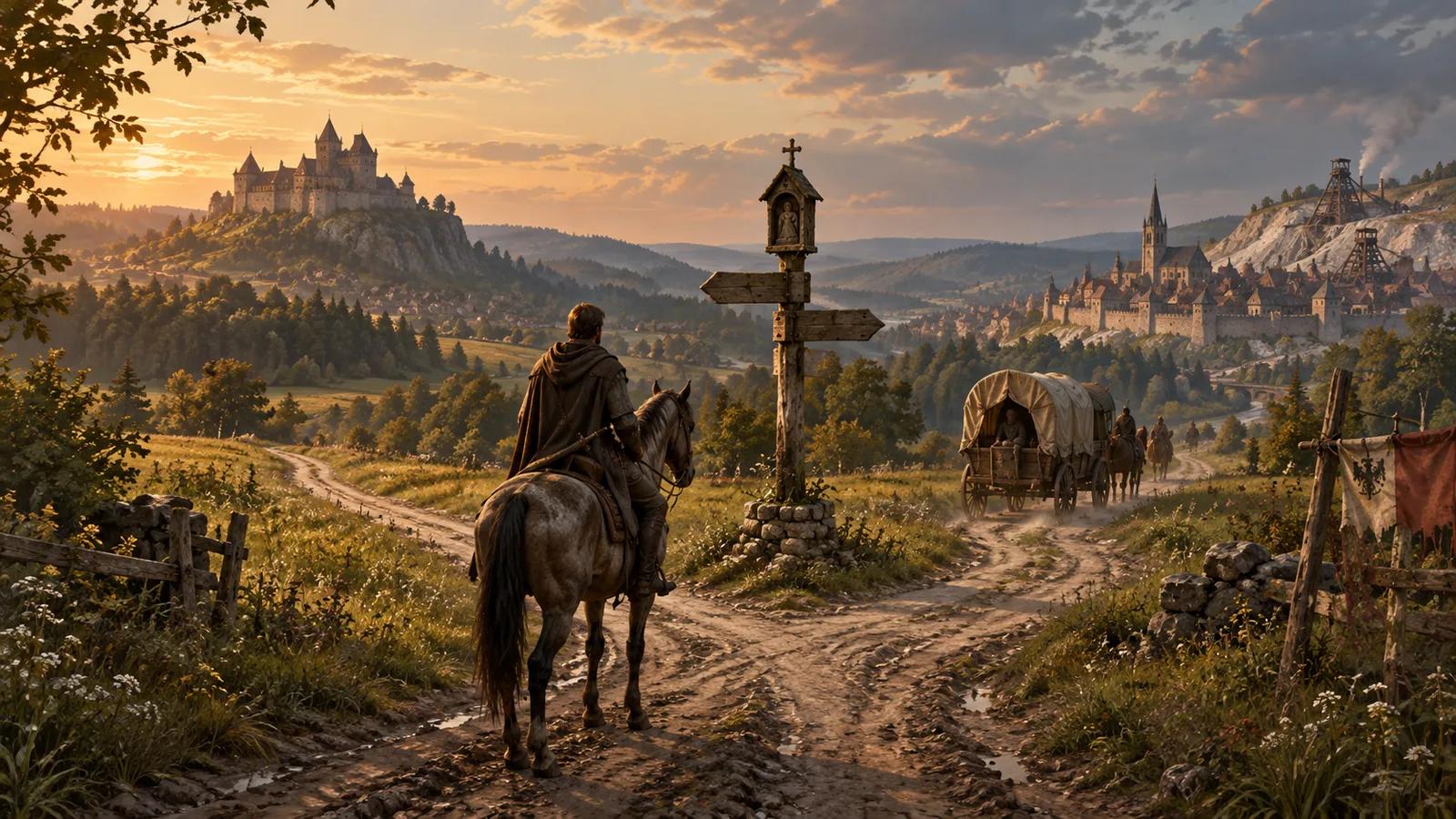
The KCD2 story is a grounded historical adventure set in Bohemia in 1403. The imprisoned King Wenceslaus has supporters who want him restored, while his half-brother Sigismund uses armies, alliances, and intimidation to secure power. Henry and Hans enter this conflict as messengers, not legendary heroes. An early disaster strips them of status and equipment, forcing them to rebuild trust from the road upward.
Trosky is the first act: villages, rival lords, a wedding, a castle, and shifting loyalties. Kuttenberg widens the campaign into urban politics, silver, councils, Jewish community life, military manoeuvres, and resistance. Choices and people from the rural act return when the stakes expand.
Expect one main campaign with flexible routes inside many quests. Speech, stealth, crime, mercy, romance, and combat can change who trusts Henry, who survives, and how conversations judge him. They do not create unrelated storylines.
Key Characters and Their Roles
Reference table
| Character | Spoiler-free role |
|---|---|
| Henry | Skalitz survivor, Hans's closest companion, and the player's morally flexible lead |
| Hans Capon | Henry's noble friend, diplomatic partner, and frequent source of personal stakes |
| Jan Žižka | Veteran commander whose resistance ties local fights to the wider war |
| Katherine | Skilled ally whose information and loyalties matter across both regions |
| Istvan Toth | Returning enemy connected to Henry's unfinished business and Sigismund's network |
| Otto von Bergow | Powerful lord whose allegiance becomes a central early question |
| Father Godwin | Returning priest and friend who links personal loyalties to military action |
Henry and Hans are the narrative spine. Their class difference creates jokes and friction, but each repeatedly risks himself for the other. Žižka, Katherine, Godwin, Samuel, Rosa Ruthard, Liechtenstein, and Bergow pull that friendship through political and moral tests.
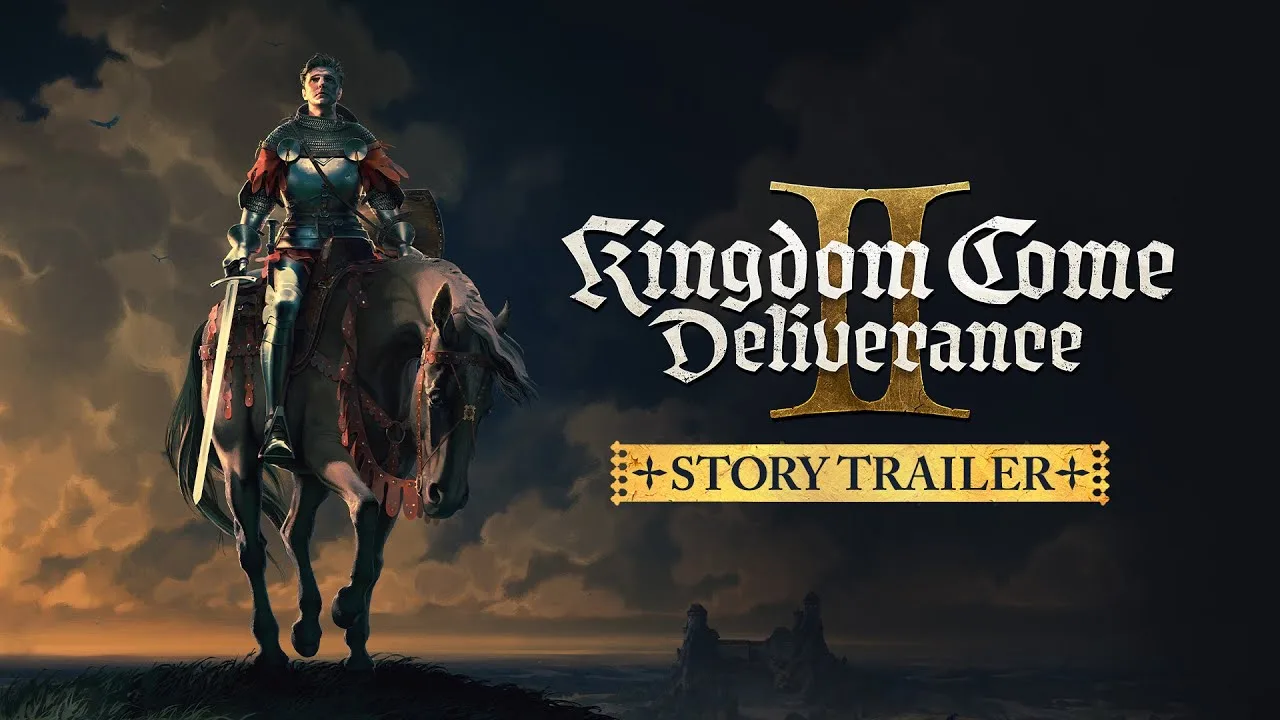
Source: Warhorse Studios Story Trailer
KCD2 Story Explained by Act
Show the complete KCD2 story
Act 1: Trosky
Henry and Hans travel to Trosky to learn where Bergow stands. Bandits ambush their party; the pair escape wounded, lose their proof and possessions, and are refused entry to the castle. They seek a route into the Semine wedding, where local grudges reconnect with the political mission. A brawl and arrest nearly end with Hans hanging before Bergow recognizes him and intervenes.
Bergow sends them against bandits around Nebakov. The apparent bandit problem leads to Jan Žižka and reveals that loyalties are not what the castle claimed. Istvan Toth is working inside the conflict. Violence at Nebakov separates the allies and moves the action back to Trosky Castle, where Katherine helps Henry escape imprisonment and exposes a larger Sigismund plot.
The Trosky act closes with Henry killing Istvan, recovering Sir Radzig's sword, and escaping toward Kuttenberg with Hans and Žižka's circle. That resolves the theft left open by KCD1, but not Henry's desire for revenge against Markvart.
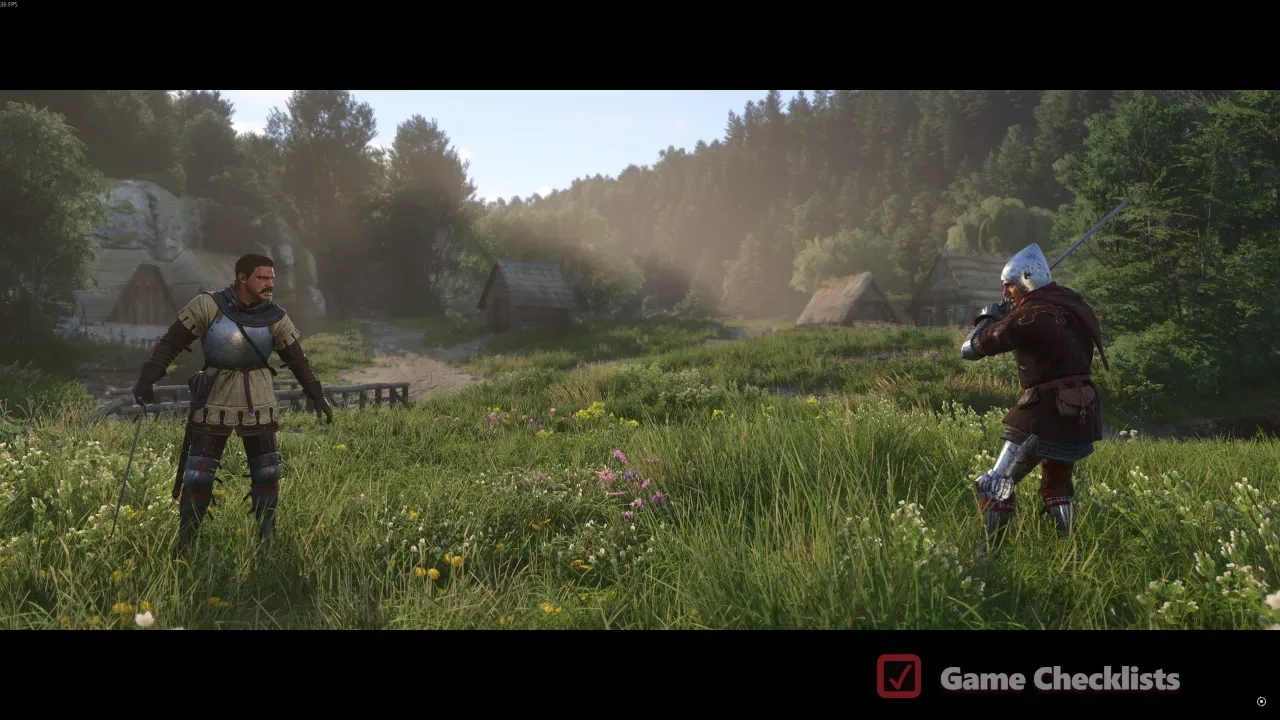
Source: Game Checklists
Act 2: Kuttenberg
The second act brings Henry to a crowded political arena. He works with John of Liechtenstein, finds Samuel, and helps rescue Hans from Maleshov. The political focus shifts between Kuttenberg's council, resistance planning, and Sigismund's approaching power.
Henry gathers support, investigates conspiracies, and faces war's human cost. Raborsch is attacked, allied lords are captured, and Henry helps escort Jewish residents threatened by the crisis. Samuel is revealed as Martin's biological son, making him Henry's brother through the man who raised Henry.
The allies capture Bergow, seize Sigismund's silver, and rescue imprisoned lords. Pressure drives them to Suchdol. The plot becomes a siege narrative: supplies, wounded people, morale, negotiations, and reinforcement matter as much as Henry's sword.

Source: GamesFuze
Act 3: Suchdol and the Epilogue
During Reckoning, Henry can find the mortally wounded Markvart. Henry can kill him quickly or leave him to die; neither route saves Markvart, but the choice changes how his pursuit of revenge is judged. The escape also asks whether to carry the badly wounded Samuel away, risking the stolen silver, or protect the mission at a personal cost.
Henry then leaves the fortress to bring help. Sigismund and his main army have already withdrawn; the arriving reinforcements repel the force besieging Suchdol rather than solve the civil war. The story gives its characters survival and victory without rewriting history.
The epilogue returns to Henry. In a dream, Martin and Henry's mother judge his choices and conduct. Henry later speaks with Radzig about his future and the sword that began his pursuit of revenge. This closes the stolen-blade chapter while leaving roads ahead. During the credits, a drunken Dry Devil misses an apple and injures Žižka's eye. Later, a scribe reports the stolen silver, freed hostages, and Jobst's gathering force to Sigismund, explaining his withdrawal toward Hungary.
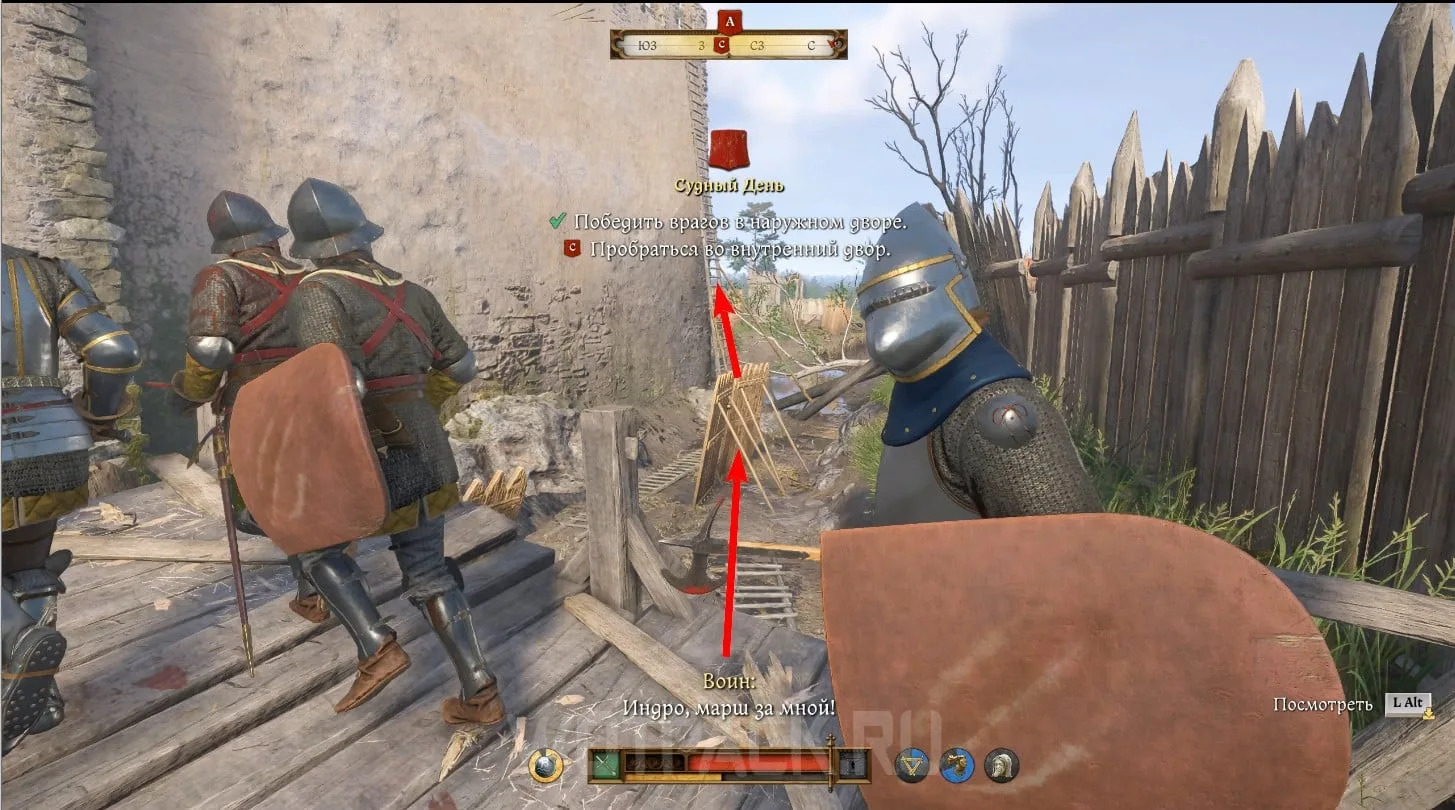
Source: Wotpack
KCD2 Story Ending Explained
Show KCD2 story ending details
The standard KCD2 story converges on the Suchdol relief and epilogue. It is more accurate to call its outcomes variations within one ending structure than wholly separate final campaigns. The dream reflects what Henry did and whether he accepts responsibility; it does not branch into an unrelated final act.
Choices that change the ending variation
| Choice | Direct result | Epilogue effect |
|---|---|---|
| Leave Markvart to die or kill him | Markvart dies either way | Martin and Henry's mother judge how Henry handled revenge |
| Carry Samuel out of the camp | Samuel survives, but part of the stolen silver is lost | Samuel can appear alive; Hanush reacts less warmly to the reduced silver |
| Leave Samuel behind | Samuel is hanged, while the silver is preserved | The dream can confront Henry with abandoning him |
| Save Semine and Maleshov | The settlements survive | Henry's parents respond more positively to restraint |
| Steal or kill unnecessarily, then deny responsibility | Henry keeps the same military victory | The dream becomes harsher; remorse can soften its judgment |
Conduct matters even when the historical endpoint remains. Romance and other quest outcomes can also be acknowledged; the romance guide tracks the requirements for those routes.
Patch 1.4 added an exceptional route for killing enough soldiers in Sigismund's camp. Its Victory screen says Henry changed history: Sigismund loses his army and returns to Hungary in disgrace, Wenceslaus recognizes Henry as Radzig's rightful heir, and Henry lives happily until setting out for Kuttenberg with his father in 1416. This ends the game early and sits outside the regular Suchdol epilogue; it does not mean every ordinary choice creates a distinct third act.
What Remains Unresolved
Show unresolved KCD2 story threads
- The civil war: Wenceslaus and Sigismund's struggle continues beyond the immediate victory. The game stays inside history rather than pretending one siege settles the crown.
- Henry and Hans: Their friendship survives another campaign, but duty, rank, and future missions remain open.
- Henry's family: Samuel's connection to Martin expands Henry's family history instead of tidily closing it.
- The sword: Recovering it completes the concrete KCD1 objective, while Henry's conversation with Radzig asks whether inherited revenge should define his next life.
These are continuation hooks, not necessarily missing scenes. The plot resolves Istvan, Markvart, the sword, and Suchdol while preserving forces that could drive another chapter.
KCD2 Story FAQ
Is it a direct sequel?
Yes. KCD2 begins with the mission Henry and Hans started at the end of KCD1 and resolves the stolen-sword thread. New players receive context, while returning players recognize more relationships.
How many acts are there?
The clearest reading map is Trosky, Kuttenberg, then Suchdol and the epilogue. “Three acts” is an explanatory structure, not an official menu label.
Does it have multiple endings?
It uses one broad ending structure with meaningful variations in survival, relationships, judgment, and dialogue. Patch 1.4 also added a special victory screen for an extreme camp-combat challenge; keep that separate from the regular epilogue.
Is the story historically accurate?
It uses real rulers, places, conflicts, and Jan Žižka, then places fictional Henry among them. Treat it as historical fiction grounded in 1403 Bohemia.
Where should I go for objective help?
Use the contextual quest and walkthrough recommendations above for ordered solutions and recovery steps. This guide is for context, plot, characters, and ending meaning.
Sources and scope: the premise and KCD1 bridge were checked against Warhorse's official story trailer and KCD1 recap. The full sequence was cross-checked with the current plot synopsis, and ending variations with the Reckoning and ending guide. The special camp screen is documented in the official Patch 1.4 notes. Independent Reddit threads shaped reader questions, not settled facts.
Your saved guides
Saved only in this browser for 30 days. No account or game-save access.
Save a guide to find it here on your next visit.